Baltic Cider Terroir Map
The Baltic Cider Terroir Map divides Estonia and Latvia into four cider-growing regions based on geographical and climatic differences, highlighting the influence of maritime and continental conditions, soils, topography, and growing seasons. Baltic cider is characterised by diverse apple varieties, cool-climate cultivation, naturally high acidity, fresh aromas, and generally low-intervention orchard practices, while producers increasingly experiment with different cultivars, fermentation methods, and natural ingredients. Research conducted since 2024 is helping define the distinctive characteristics of Baltic cider and identify suitable apple varieties and production practices for developing a recognisable regional cider style.
Download Baltic Cider Terroir Map as printable PDF document
This map was produced by the Latvian Country Tourism Association, Estonian Rural Tourism Organisation, Institute of Horticulture (Latvia), Polli Horticultural Research Centre of Estonian University of Life Sciences (Estonia). Apple varieties were selected and described in collaboration with cider producers; analyses were conducted by the participating research institutes.
Terroir influence on Baltic Ciders
 Flavors
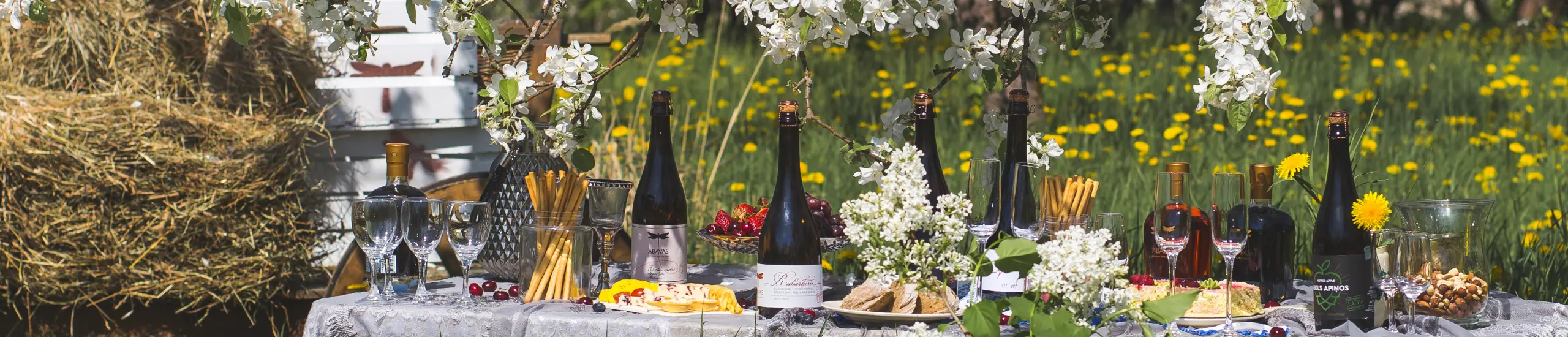
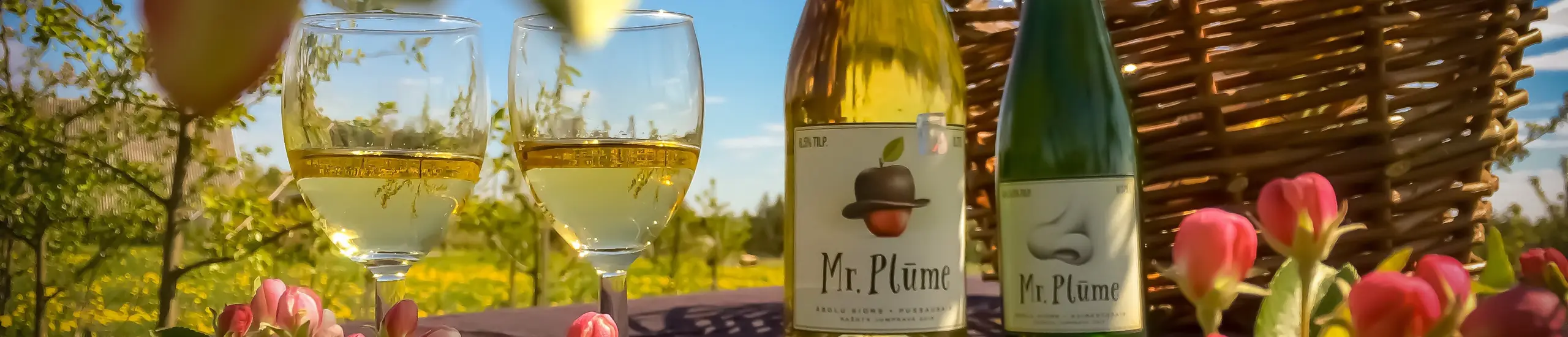
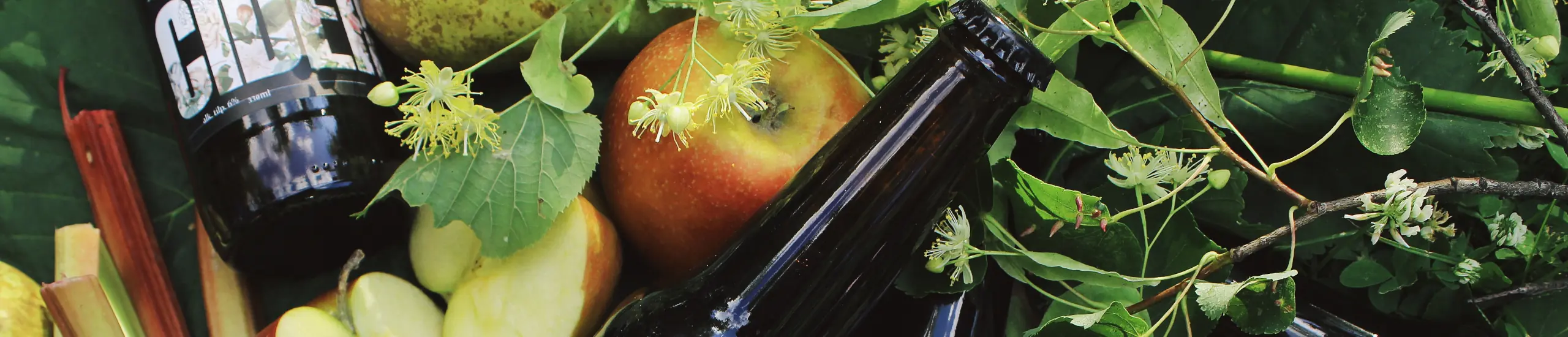
We enhance our ciders with additional layers of flavour using only natural ingredients — whole berries and fruits, their juices, hops, meadow flowers, and carefully selected botanicals.
 ORCHARDING
- From integrated management to no intervention
- Many orchards effectively organic, even if not certified
- Apples largely from home gardens
- All apples hand-picked
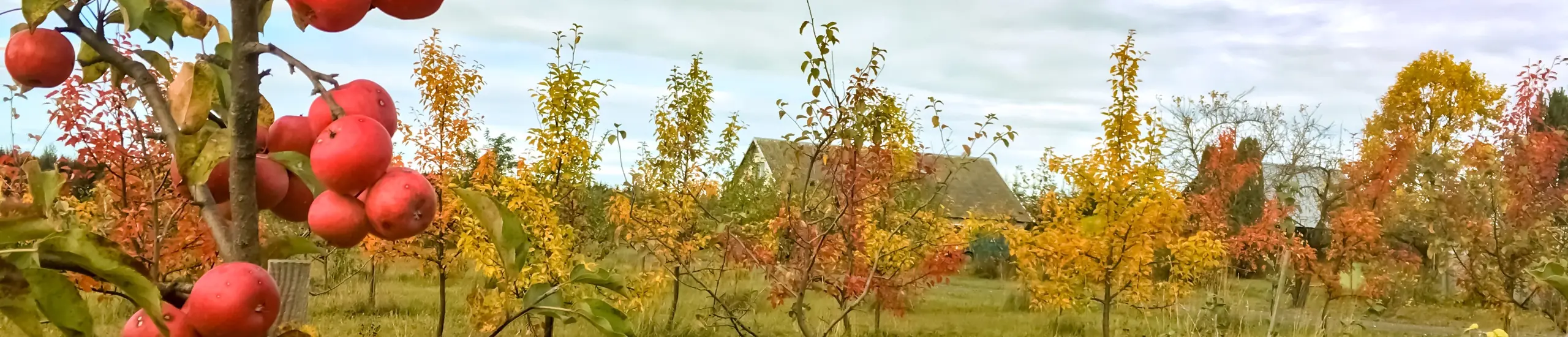
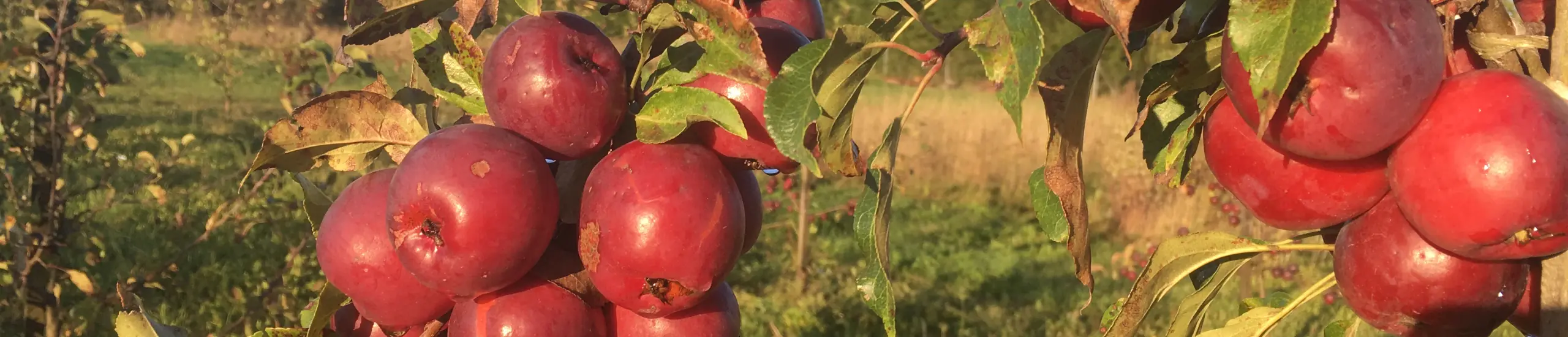
Apple trees for cider in Latvia and Estonia are typically grafted onto semi-dwarf or seedling rootstocks, creating orchards with a mix of vigorous old trees and newer, more compact plantings.
Common rootstocks: MM 106 and B 118 are most common in relatively young orchards. Older orchards mainly comprise vigorous trees on seedling rootstocks, most often ’Antonovka’.
Pruning is very light and not always annual. Fertiliser and plant protection are minimal, and some orchards are fully organic. Grass between rows is mown to maintain biodiversity, and older trees may be supported with props. This extensive, low-intervention approach helps apples develop rich flavours naturally, giving Baltic ciders their unique character.
 SOILS
SOILS
In Latvia and Estonia, soils vary from light sandy textures to richer clay and loam, mostly slightly acidic or neutral — ideal for growing apples for cider. In northern and western Estonia, limestone-rich soils add mineral depth and character, while gentle rainfall and natural leaching create well-drained, fertile soils across the region.
 GEOGRAPHY
- Coastal regions: In coastal regions, the milder climate allows the cultivation of less winter-hardy varieties and a longer growing season, though winter conditions there are more unstable and prone to thaws.
- Inland regions: In continental inland areas, temperatures are more contrasting— with colder winters and hotter summers—while winter conditions are generally more stable, though lower air temperatures can be critical for certain varieties. Despite the region’s small size, local weather patterns vary widely, shaping each orchard’s unique character.
 TOPOGRAPHY
In the region, cider orchards are generally on flat land or gentle slopes facing south, south-east, or south-west. Latvia and Estonia both lie within the lowlands of the Northern European Plain, with gently rolling terrain rarely rising above 100 m.
- Estonia: Average elevation is around 50 m, with 90% of the land below 100 m.
- Latvia: 50% of the country lies below 90 m above sea level, and 74% is under 120 m.
 VEGETATION
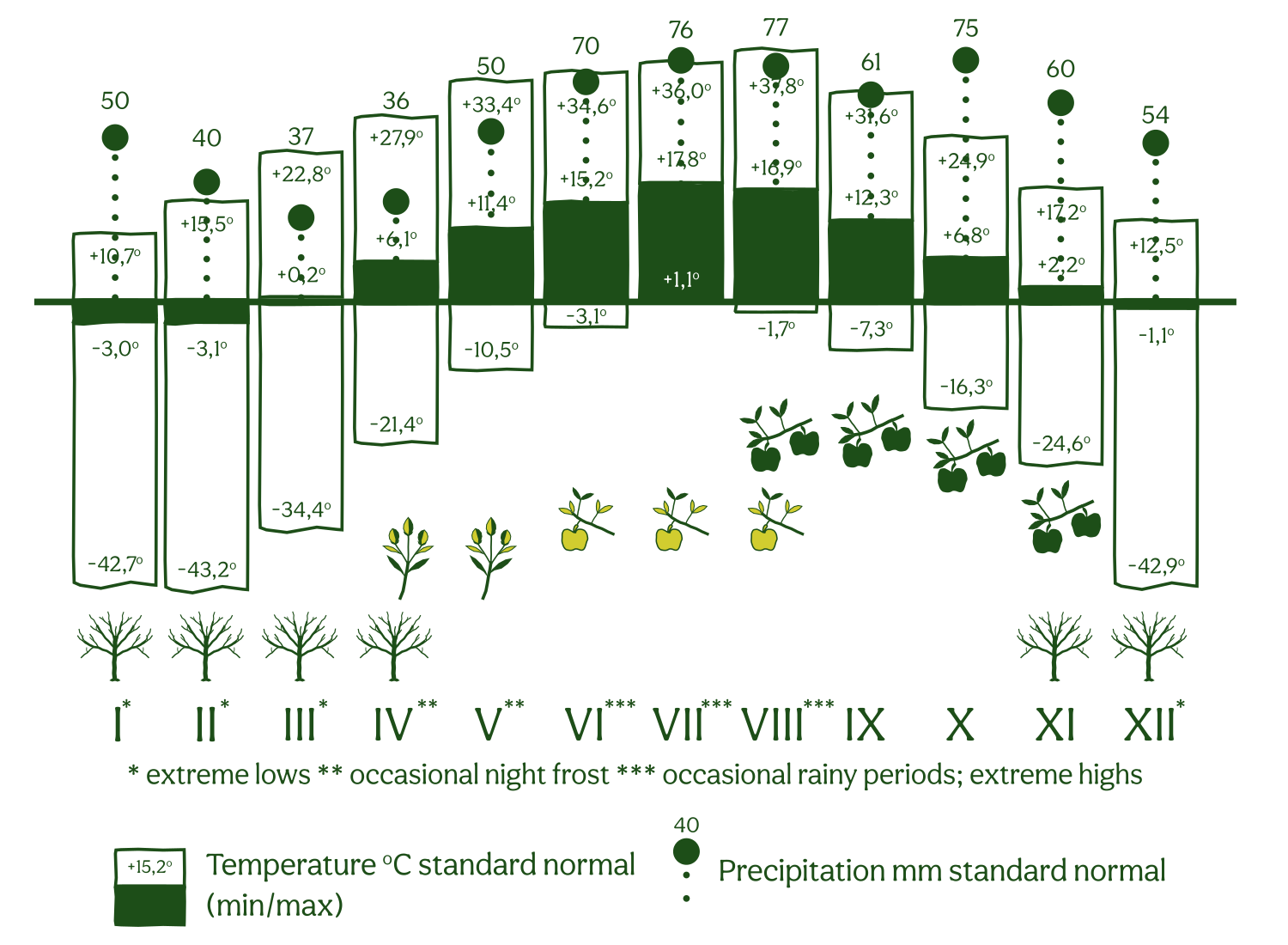
In the cool northern climate, apple trees grow well and produce abundant crops. The apples ripen slowly, developing complex flavours and aromas. Bud break takes place in April in the southern regions and in May further north, although night frosts may still occur in the orchards. Baltic summers are bright, short, and changeable — bursts of sunshine reaching +30°C alternate with refreshing rainfall, helping the fruit retain its freshness and character. The long autumns and extended dormant periods contribute to the slow development of fruit qualities essential for distinctive cider.
 CLIMATE
The short vegetation period in combination with Low temperatures keeps the fruits accumulate less sugars, and acids remain high. In cool climate conditions, increased polypehnol accumulation occur due to temperature fluctuations and angle of the sunshine which enhance the cider aroma bouquet. Naturally lower sugar levels allow for a full fermentation process while maintaining a moderate alcohol content. Our ciders typically range from 4.5% to 5.5% ABV.
Average sunshine hours per year:
- Estonia - 1830
- Latvia - 1700-2000
OVERALL TEMPERATURE AND PRECIPITATION:
 RESEARCH FINDINGS
To capture the unique terroir of Baltic Cider, we collaborate with research institutes in Latvia and Estonia. Analyses of soils, fruit, juice, and ciders, started in 2024, lead us to the ideal Baltic cider profiles.
FINDINGS IN SHORT:
- Baltic ciders are naturally high in acids, especially malic acid, which gives the sharp, green apple character and freshness.
- Apple cultivar selection: varieties with high juice yield and higher sugar content are better suited for quality cider production.
- Key choices affecting aroma and fermentation success: yeast strain, fermentation temperature, and nutrient availability.
- Managing acidity through cultivar choice and possible malolactic fermentation can help balance the sharp malic acid character typical of Baltic ciders.
Baltic Cider Terroir Map: Unveiling Regional Identity in Latvia and Estonia
This journal article (in Latvian language), authored by Edgars Rubauskis and Dalija Segliņa from the Institute of Horticulture (Latvia), introduces the development of the "Baltic Cider Terroir Map"—an innovative initiative under the EU INTERREG Estonia–Latvia "Baltic Cider" project. The publication provides a detailed overview of how the interplay between environmental factors and human expertise defines the unique character of Latvian and Estonian ciders. Readers will gain insight into the four core pillars of cider terroir: regional climate parameters, landscape topography, soil characteristics, and cider-making traditions, ranging from modern styles in southern Latvia to classic production in Estonia.
The article presents an in-depth evaluation of over 70 local apple varieties—including dessert apples, crabapples, and specialized cider cultivars—analyzing their biochemical traits such as juice yield, sugar content, acidity, and tannin levels. It further explores practical orchard management techniques, harvesting periods, and distinct fermentation methods, detailing how producers craft single-varietal, blended, naturally sparkling, and ice ciders. Additionally, the authors outline four distinct geographic terroir zones across Latvia and Estonia (Northern/Southern Maritime and Northern/Southern Continental), mapping out which specific apple cultivars thrive within each regional microclimate.
As a comprehensive reference for enthusiasts, pomologists, and commercial producers, this publication serves as an essential guide to understanding the scientific and cultural foundations of Baltic cider production. Readers interested in the full biochemical data, variety groupings, and climatic zone breakdowns can access the complete PDF document below to explore how local soils and craftsmanship shape the distinct flavors of the Baltic region.
Original journal ("Profesionālā dārzkopība" from 02/23/2025) available in link: https://fruittechcentre.eu/sites/default/files/izdevumi/pdf/Profesionala_DARZKOPIBA_Nr23.pdf