What is Baltic Cider and how it is made
Vibrant, refreshing, aromatic cider with crisp acidity and low sugar.
BALTIC CIDER HIGHLIGHTS:
- APPLE VARIETY DIVERSITY: We use cultivars less suited to dessert consumption and wild apples, creating unique flavor profiles.
- NATURAL ACIDITY: Our cool climate helps develop natural crisp acidity in apples, while specially selected cider apple varieties contribute tannins and structure.
- DISTINCT AROMAS: Aromatic compounds may set our ciders apart from traditional styles elsewhere.
- INNOVATION-FRIENDLY: With no long-standing local cider tradition, we have the freedom to experiment, allowing each producer to develop a distinctive style through different fermentation approaches, ingredients, and production methods.
- NATURAL FLAVOURS: We use only natural ingredients to enhance the character of our ciders.
What Makes Baltic Cider Unique
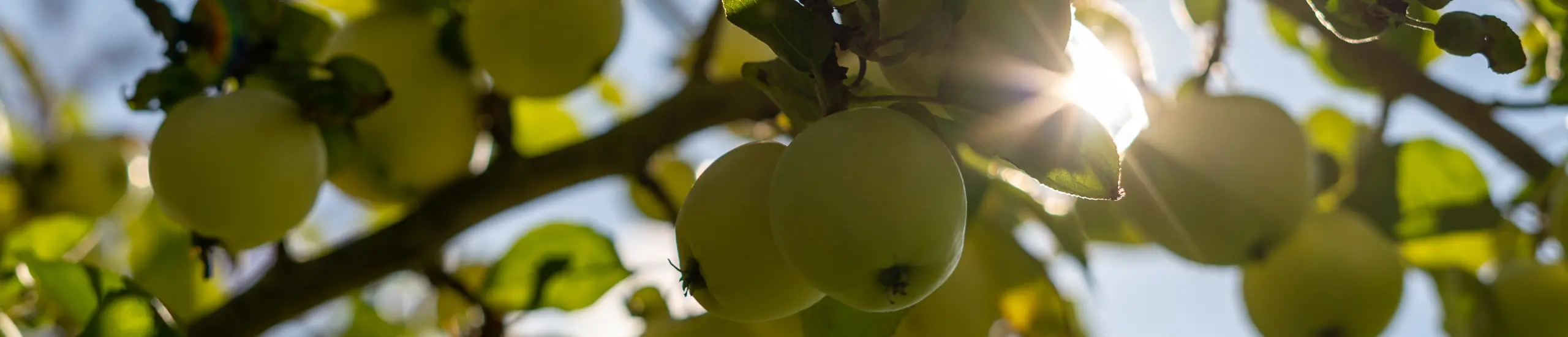
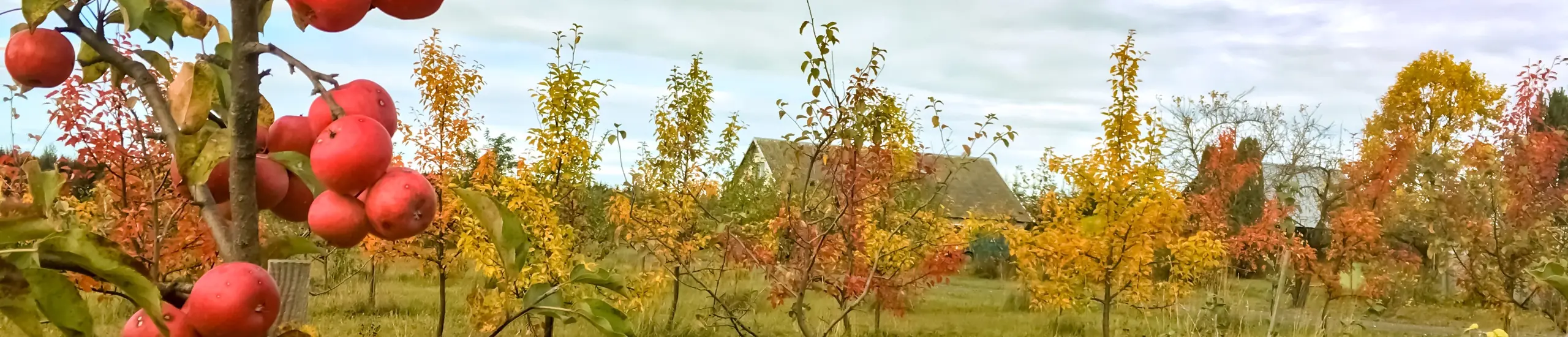
Baltic ciders are crafted from apple juice sourced from our local gardens.
Due to the cooler Northern European climate, Baltic ciders are fresh, aromatic, and possess a distinctive acidity. They can be described as clear, sweet-and-sour, or dry, with a pronounced apple aroma and a medium to light structure. They are enjoyable to drink and lack pronounced tannins. The unique character of the Baltic ciders is shaped by the local climate and soil, which influence the apples grown in the region.
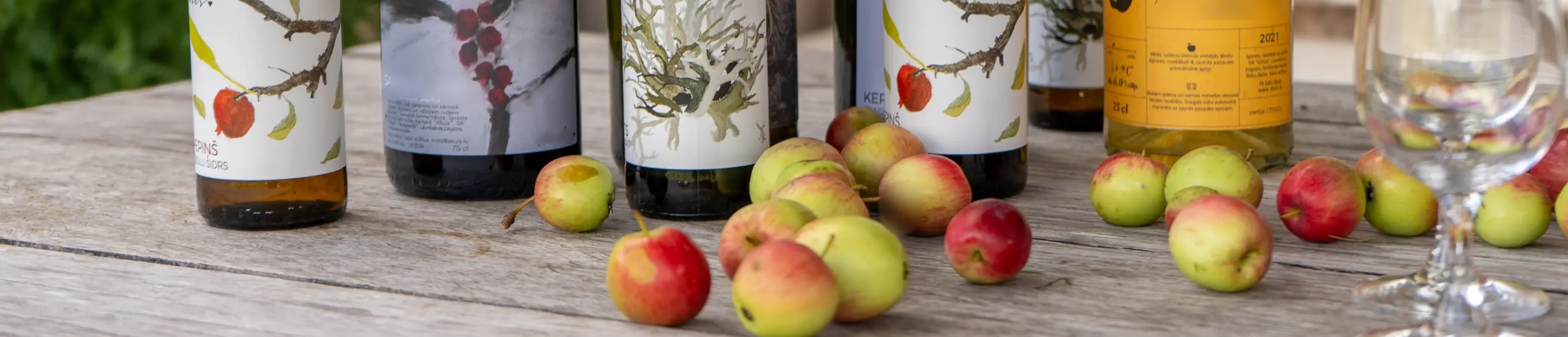
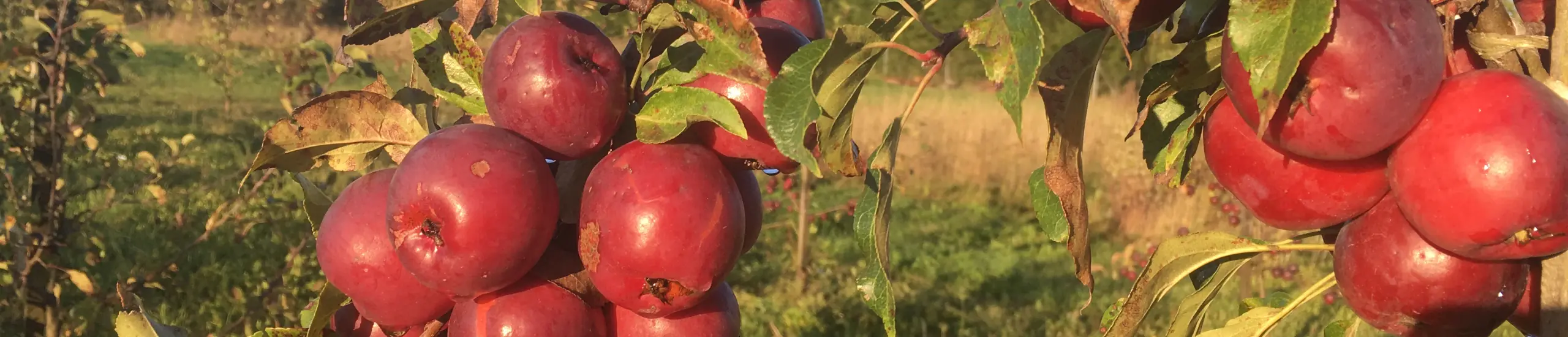
Apples used include traditional heirloom cooking/ eating varieties, cider apple varieties, crabapples, wild apples (Malus sylvestris) and wild seedlings.
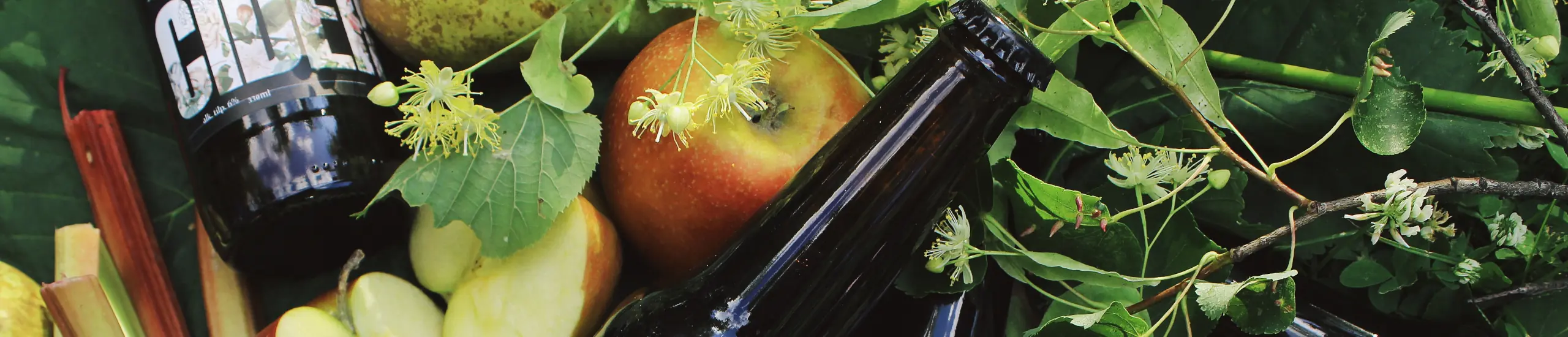
In order to achieve the desired harmony of flavour, cider is usually made by combining several apple varieties or adding natural flavors from aronia, rhubarb, quince, elderflower, hops, and other.
Crafting Cider the Baltic Way
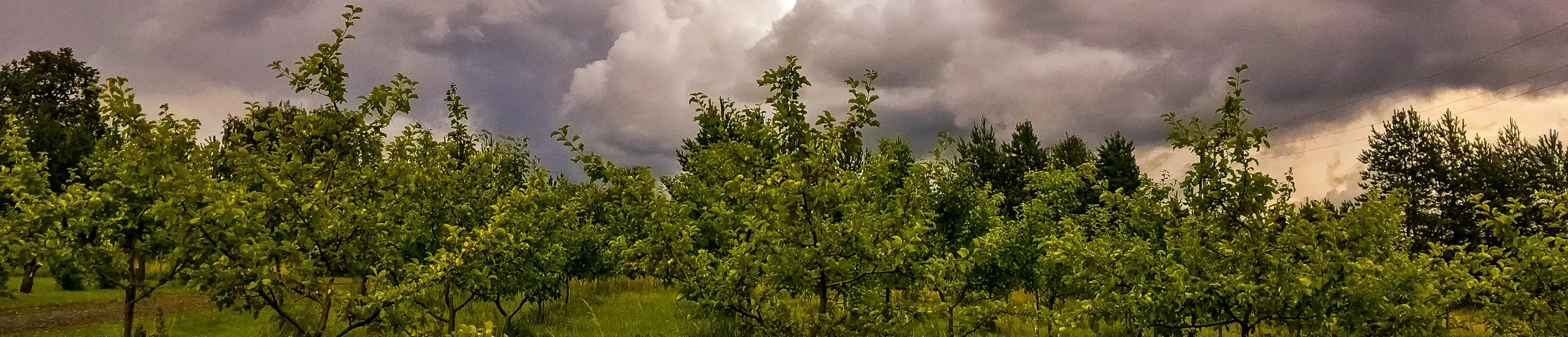
By boldly experimenting with cider-making techniques and apple varieties, the Baltic cider makers are proudly contributing to the cider tradition known in the countries of the world as the New World style. They cultivate orchards with specially selected varieties and work closely with apple growers and researchers to achieve the best flavours and quality.
The technology of cider production is different from the traditional methods used in France and England for most of the ciders produced in the Baltics. Here, cider is made in a manner more similar to white wine. Cider makers often use other fruits and berries to supplement their ciders and gain a variety of flavours. In winter, several cider makers also offer hot cider, which warms you up wonderfully, and just like mulled wine it can be served with a cinnamon stick or even with cloves and a slice of orange.
Cider Types and Styles
According to the production methods, the following types of cider are produced in the Baltics:
- Pet Nat:
- This method involves bottling cider before fermentation is complete, allowing it to develop natural carbonation in the bottle, resulting in a lightly sparkling, rustic-style cider. It is unfiltered and often slightly cloudy, retaining the natural flavours of the apples.
- Traditional Method:
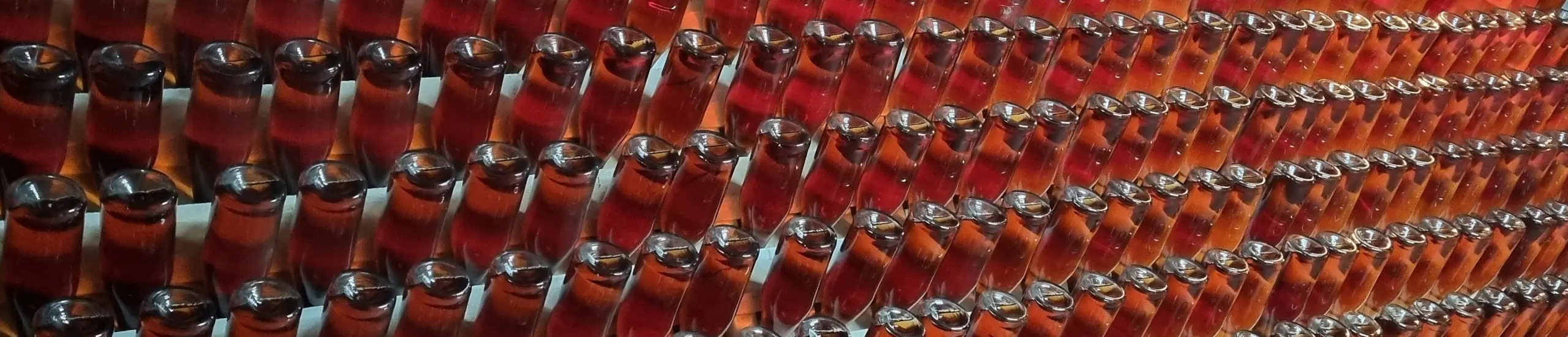
- Cider made using the traditional champagne method undergoes secondary fermentation in the bottle, creating fine bubbles and a refined taste. It is often aged on the lees for added complexity.
- Natural Cider:
- Natural cider is made with minimal intervention, using wild yeast for fermentation and no added sulphites or filtration. This results in a cider that is authentic and reflective of the local terroir.
- Flavoured Ciders:
- These ciders are enhanced with added fruits, berries, herbs, or spices to create unique and diverse flavour profiles. Popular examples include ciders infused with hops, elderflowers, chokeberries, black currant, and others.
- Wood or Barrel-Aged:
- Ciders aged in wooden barrels develop complex flavours, often with notes of oak, vanilla, or spices.
- Still Cider:
- Still cider is non-carbonated and has a smooth, flat texture, allowing the pure flavours of the apples to shine through without the distraction of bubbles.
- Mulled Cider:
- This is a warm cider infused with spices like cinnamon, cloves, and nutmeg, often sweetened and served as a comforting drink during colder months.
- Non-Alcoholic Cider:
- Made by removing or bypassing the alcohol in the production process, non-alcoholic cider offers the flavour and refreshment of cider without the intoxicating effects.
How is Cider made
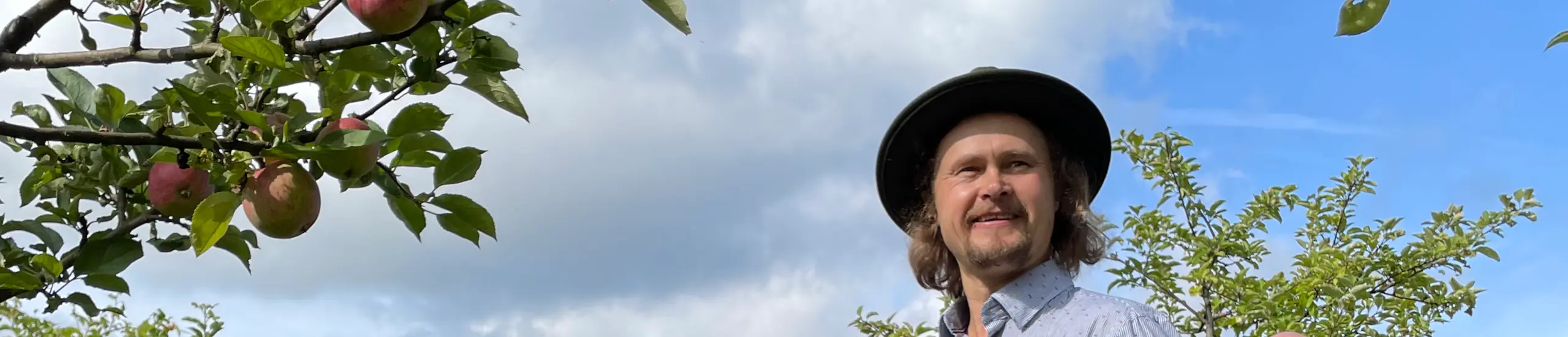
- Harvesting - The apple harvest takes place in late summer and autumn, depending on when the apples ripen. Cider makers follow various practices. Some turn the apple harvest into a celebration, organising apple-picking events in their orchards, inviting not only friends and family but also giving visitors the chance to participate. These events usually end with a shared meal and cider tasting. Many cider makers collaborate with local residents, purchasing apples from orchards they know well.
- Pressing apples - The apples are carefully sorted, with damaged ones removed. This is a manual task that requires patience and attention. The apples are then washed, crushed, and pressed to produce a fragrant, fresh juice.
- Fermentation - Fermentation can be carried out using the natural yeast flora present on the apples (wild yeast) or by adding commercial yeast for a more precise outcome. During the fermentation process, yeast converts the sugars naturally present in apples into alcohol. High-quality cider is fermented slowly and for an extended period—up to 4–6 months—at a low temperature of around 8°C. Bottling typically occurs several months later, in the spring of the following year.
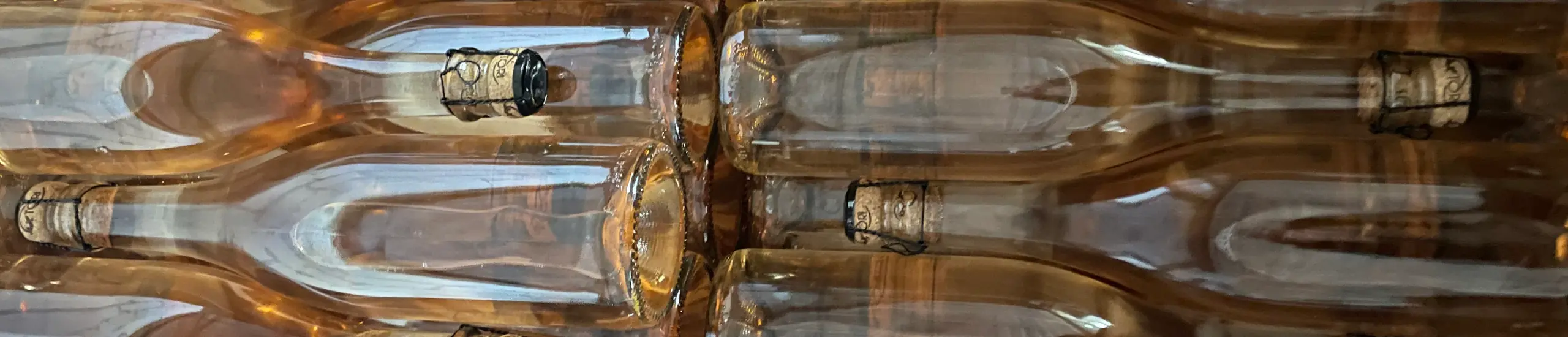
- Bottling - Many producers opt for secondary fermentation in the bottle to create naturally sparkling ciders. For this process, yeast is added on the day of bottling, which completes its work after approximately two months, creating a pressure of 2–2.5 bar within the bottle. Carbonation can also be achieved artificially by adding carbon dioxide. Traditional ciders are most often available in 0.75-litre champagne bottles sealed with a wire cage and cork or in beer bottles of various sizes. Increasingly, cider is also being packaged in aluminium cans to protect cider from sunlight, helping maintain its high quality.